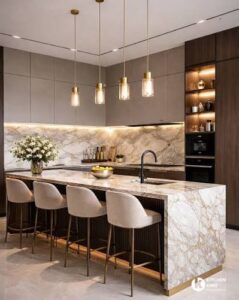
A kitchen is an essential part of a well-managed home. It is where families prepare meals, store groceries, and enjoy moments together throughout the day. A thoughtfully arranged kitchen can make cooking more enjoyable while improving the overall comfort of a household. Whether someone prefers a traditional cooking area or a modern interior, the right combination of organization, design, and useful equipment can create a welcoming environment.
Planning the available space is an important step in developing a functional kitchen. Every item should have a suitable location so that daily activities can be completed without difficulty. The sink, refrigerator, stove, and preparation counters should be arranged to support convenient movement. Leaving enough space between cabinets and appliances also helps prevent the room from feeling crowded.
Kitchen storage should be designed according to everyday requirements. Cabinets, shelves, drawers, and pantry compartments provide useful places for cookware, dishes, spices, and groceries. Deep drawers can accommodate larger cooking utensils, while smaller organizers are helpful for storing cutlery and kitchen accessories. Using clear containers for dry ingredients can also improve organization and make supplies easier to identify.
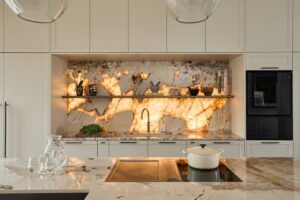
The choice of countertops and cabinet materials can influence the kitchen’s durability and appearance. Granite and quartz are popular countertop options because they offer attractive finishes and practical working surfaces. Cabinets are available in different materials and colors, allowing homeowners to select designs that match their interior preferences. Easy-to-clean flooring is another useful feature for a busy cooking area.
Modern appliances can simplify many household responsibilities. Refrigerators, ovens, cooking ranges, microwaves, and dishwashers make food preparation and cleaning more convenient. Smaller appliances, including blenders, mixers, and electric kettles, can also save time. Before purchasing new equipment, homeowners should consider energy efficiency, product quality, available space, and maintenance costs.
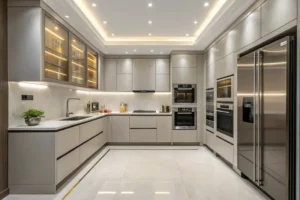
A comfortable kitchen also requires proper lighting and ventilation. Natural light from windows creates a pleasant atmosphere, while ceiling fixtures provide sufficient illumination during evening hours. Additional lighting above work surfaces helps people prepare ingredients more accurately. Exhaust fans and range hoods are useful for removing cooking smoke, steam, and unpleasant odors.
Maintaining kitchen hygiene is essential for protecting food quality and keeping the home comfortable. Countertops, sinks, appliances, and floors should be cleaned regularly. Raw ingredients should be handled carefully, and food should be stored at suitable temperatures. Removing waste promptly and organizing cleaning supplies can make daily maintenance easier.
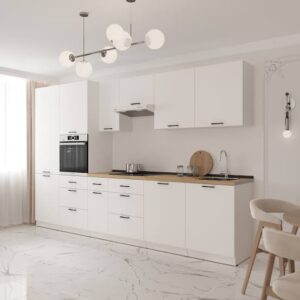
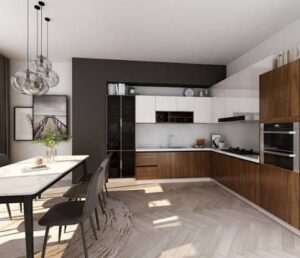
Decoration adds personality and warmth to a kitchen. Choosing matching cabinet handles, attractive backsplash tiles, and complementary colors can create a balanced appearance. Some homeowners enjoy natural wooden finishes, while others prefer modern designs with neutral shades. Small plants and decorative containers can also make the space feel fresh without affecting its functionality.
A well-planned kitchen brings together organization, comfort, and attractive design. It does not require expensive renovations to become more useful and welcoming. By selecting practical features, maintaining cleanliness, and making thoughtful improvements, homeowners can create a kitchen that supports everyday cooking and enhances family life.